 comparison
Best Ceramic Tint for Cars vs Carbon in 2026
Last Updated: November 2, 2026
Quick Summary
Ceramic tint generally outperforms traditional dyed or metallic tint on heat rejection, so it is usually worth the extra cost if you want a cooler cabin. The right choice depends on your vehicle, budget and the darkness your local rules allow. Compare ceramic and carbon films at the same VLT to judge the difference fairly.
- Ceramic film rejects infrared heat without adding much darkness, which keeps the cabin cooler at the same shade.
- Carbon film is a solid middle option if privacy and basic sun control in a mild climate are your main goals.
- Compare films at the same VLT using infrared rejection, TSER and UV protection figures.
- Window tint rules vary by province and by window, so check current limits before choosing a VLT.
- Compare installed quotes on film warranty, labour warranty and expected lifespan, not just the headline price.
Table of Contents
- How Ceramic Tint Compares With Carbon Tint
- Comparing the Leading Ceramic Tint Films
- Ceramic Tint Heat Rejection and UV Protection Explained
- Choosing a Ceramic Tint VLT Percentage Legally
- What Ceramic Window Tint Costs Installed
- Booking Your Ceramic Tint Installation at MG Customs
- Frequently Asked Questions
At MG Customs in Winnipeg, we get asked which ceramic tint is worth the money more than almost any other window film question. The short answer is that ceramic film generally outperforms traditional dyed or metallic tint on heat rejection, and the right choice depends on your vehicle, your budget and the darkness your driving conditions allow. This guide walks through how ceramic compares with carbon, which films are most often named, and what to expect on heat, UV, legal shade and cost. For deeper local context on ceramic options, costs and legal rules, see the Winnipeg window tint guide.
How Ceramic Tint Compares With Carbon Tint
Ceramic and carbon films are both non-metallic, so neither interferes with radio, GPS or phone signals the way older metallic films can. That comparison is about heat, not a claim that ceramic wins on every measure.
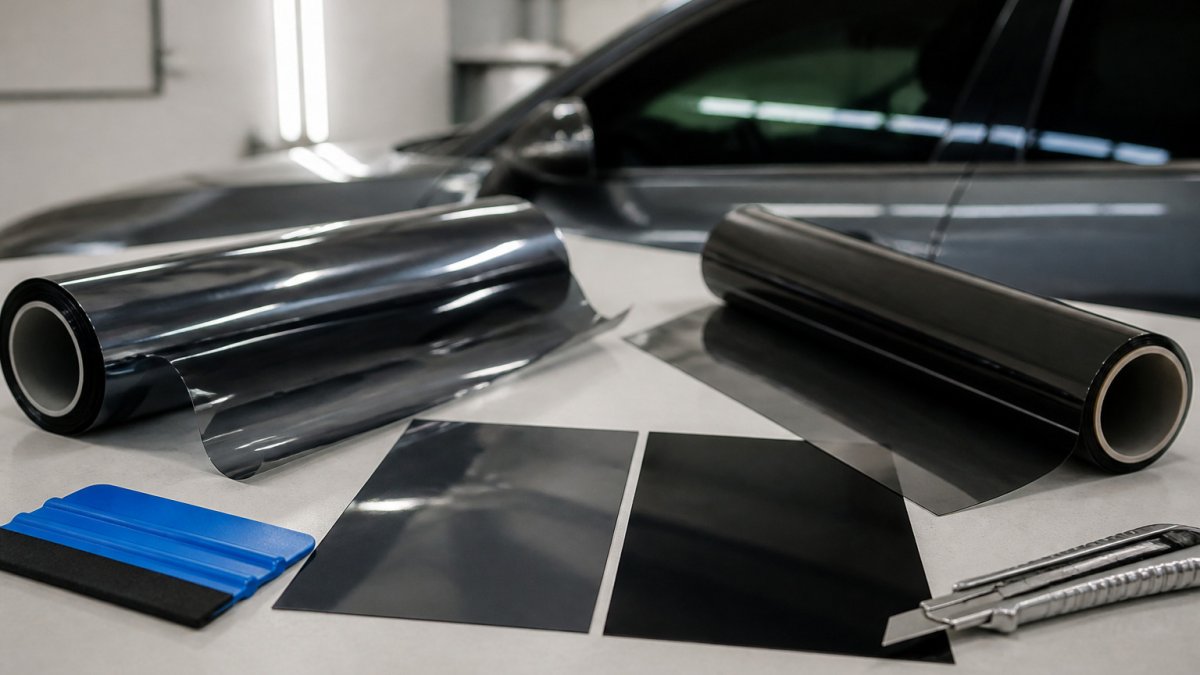
Carbon film is a solid middle option. It blocks a good share of heat and UV, and it gives a matte look. Ceramic film uses non-metallic ceramic particles that reject infrared heat without adding much darkness. For drivers in a climate with long, hot summers, that difference shows up as a cooler cabin at the same tint shade.
The trade-off is price. Ceramic film costs more per window. If your main goal is privacy and basic sun control in a mild climate, carbon may be enough. If you want the most heat rejection at a given darkness, ceramic is the better fit.
Comparing the Leading Ceramic Tint Films
This comparison sets out what to verify on each film's specification sheet and how to line the films up fairly. Treat every performance number as a manufacturer claim until you see it measured under the same conditions.
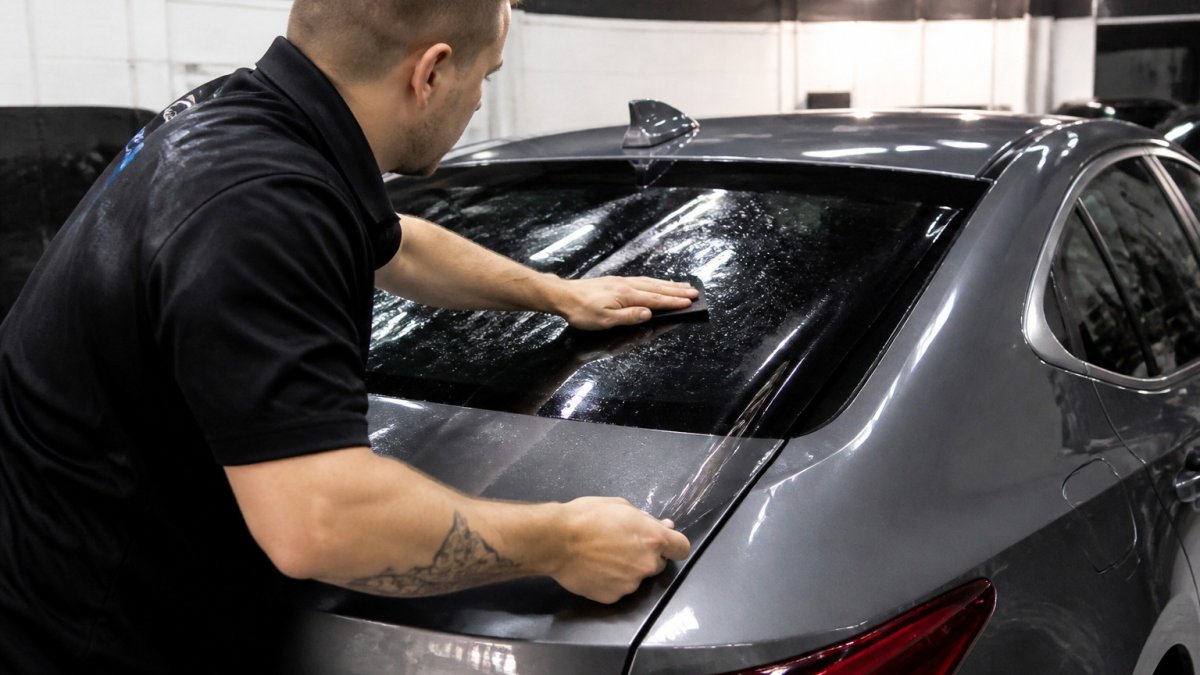
XPEL PRIME XR PLUS
XPEL PRIME XR PLUS is a ceramic film. Performance varies by shade, so ask for the manufacturer's published data at the exact VLT you want.
Best for: Drivers who put heat rejection and UV protection first and are willing to pay for a premium film.
3M Ceramic IR Series
The 3M Ceramic IR Series is a ceramic film from a window-film manufacturer.
Cons: Product-specific performance specifications are not verified here, so request the spec sheet for the exact series and shade. Best for: Drivers who want a ceramic film from a well-known manufacturer and will ask their installer for specifics.
SunTek Evolve
SunTek Evolve is a named film series. Heat and UV figures, warranty and available shades are not verified here.
Cons: Verified heat and UV figures are not available, so request the manufacturer's specifications. Best for: Drivers comparing named films who plan to request an installer quote and a copy of the spec sheet.
Llumar IRX Series
Llumar IRX is a ceramic tint series.
Cons: Verified performance figures are not available here, so request the manufacturer's specifications. Best for: Drivers comparing ceramic series who will request a quote and the manufacturer's published data from their installer.
How to Compare These Films Fairly
A meaningful comparison holds the tint shade constant. Ask each installer for the same three numbers at the same VLT: infrared rejection, total solar energy rejected (TSER), and UV protection. Infrared rejection alone can look impressive while TSER, which accounts for visible light and ultraviolet heat too, tells you more about the cabin temperature you will actually feel. Confirm the test method behind each figure, because values measured to different standards are not directly comparable.
Watch out: a film quoted at 70% VLT and one quoted at 20% VLT are not competing on the same terms, so a darker film's higher heat rejection may say nothing about film quality.
Pricing depends on your installer and your vehicle. For current prices on ceramic tint at MG Customs, see the pricing page on our website.
The table below lines up the films named in this section and the three numbers to request for a fair comparison.
| Film | Best for | Key difference |
|---|---|---|
| XPEL PRIME XR PLUS | Heat and UV protection, premium budget | Ceramic film; ask for published data at your VLT |
| 3M Ceramic IR Series | Well-known manufacturer | Request spec sheet for exact series and shade |
| SunTek Evolve | Comparing named films | Heat and UV figures not verified here |
| Llumar IRX Series | Comparing ceramic series | Performance figures not verified here |
| Fair comparison | Holding shade constant | Compare infrared rejection, TSER and UV at same VLT |
Ceramic Tint Heat Rejection and UV Protection Explained
Heat reaches your car as visible light, infrared and ultraviolet radiation. Visible light makes up most of what you see, but infrared carries most of the heat you feel. Ceramic film is designed to block infrared, which is why it can keep a cabin cooler even at a lighter shade.
UV protection is a separate function. Most quality films block the large majority of UV, which helps protect interior upholstery and dashboards from fading and cracking. A film's exact numbers depend on its construction and the test method used, so compare figures only when they come from the same source.
Heat rejection figures are most useful when you compare films at the same visible light transmission level. A darker film that blocks more heat may not be a better choice if it is illegal where you drive.
Choosing a Ceramic Tint VLT Percentage Legally
VLT, or visible light transmission, is the percentage of light a film lets through. A lower VLT means a darker tint.
Window tint rules are set by province and vary by window. Rules for front side windows, rear windows and windshields can differ, and the allowed shade and reflectivity limits can change. Before you choose a VLT, check the current provincial rules for your vehicle type and window position. Your installer should also confirm what the law allows.
A lighter ceramic film can still deliver strong heat rejection, so you do not always need the darkest shade to get a cooler cabin. Choosing a legal VLT protects you from fines and from being asked to remove film at inspection.
What Ceramic Window Tint Costs Installed
Installed price depends on the film brand and series, the number of windows, your vehicle's glass shape and the installer's labour rate. Two cars of the same model can carry very different quotes if one has more glass or harder-to-reach windows. You can still budget sensibly by understanding what drives the number.
What Changes the Quote
- Film tier. Entry-level ceramic and premium ceramic series sit at different price points, and the gap widens on larger vehicles.
- Window count and glass area. A two-door coupe and a three-row SUV use very different amounts of film.
- Glass complexity. Curved rear glass, dot matrices, sunroofs and defroster lines take more labour and sometimes require a different installation approach.
- Removal of old film. If existing tint must come off first, expect additional labour.
- Installer experience and warranty. A shop that stands behind its work with a written labour warranty usually charges more than a low-cost installer.
How to Judge Long-Term Value
Ceramic film is often more expensive at the start, and its long-term value depends on the film's performance and warranty. Compare quotes on three things beyond the headline price: the film's warranty length and what it covers (colour shift, bubbling, delamination), whether labour is warrantied, and the film's expected lifespan under your climate. A lower quote is not always a better deal if it uses a film with a shorter warranty or weaker heat rejection.
Ask for the series name in writing so quotes can be compared.
Ask for a quote that lists the film brand and series, the windows covered and the warranty on both film and labour. Learn how long the film needs to cure before you drive in our ceramic tint curing time guide.
Booking Your Ceramic Tint Installation at MG Customs
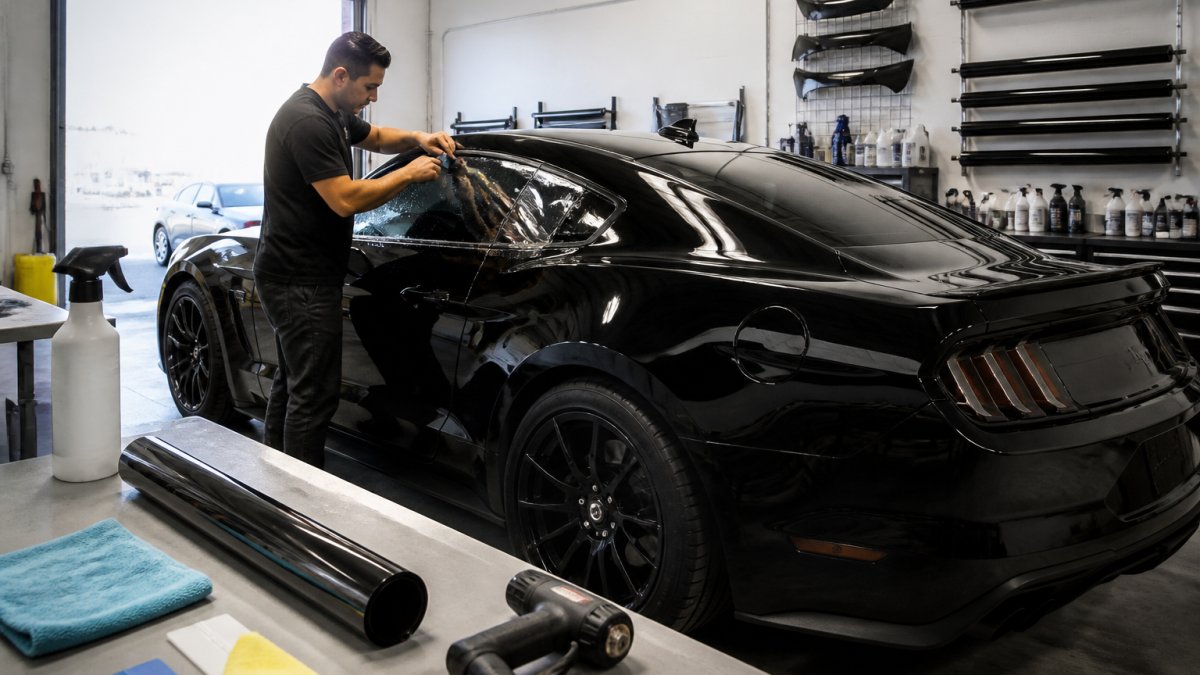
If you have a shortlist of films, bring it to us. We can match each film to your vehicle, explain the legal VLT limits that apply to your windows and give you a quote for the windows you want done. You can see current ceramic tint options and pricing on our website before you book.
Frequently Asked Questions
What is the best ceramic tint for cars?
There is no single objectively best ceramic tint for every vehicle. Compare films on heat rejection, VLT and installed price, then request quotes from installers for your specific vehicle.
Which ceramic tint brand is best for heat rejection?
Ask your installer for the published infrared rejection specification of any film you are considering before you decide.
Is ceramic window tint worth the extra cost?
Ceramic film typically costs more upfront, so its value depends on how much you prioritize heat reduction and UV protection. Comparing installed quotes from several shops in Winnipeg will show what the premium means for your budget.
Does ceramic tint block UV rays?
Confirm the UV rating on the specific film and shade you are considering, since performance differs across product lines.