 ultimate-guide
How Long Does Ceramic Coating Last on Your Car?
Last Updated: November 3, 2026
Quick Summary
A ceramic coating typically lasts roughly 6 months to 2 years for consumer-applied coatings, 2 to 5 years for professional mid-tier systems, and 5 to 8 or more years for premium professional installations. Those ranges assume proper surface preparation and ongoing care, and skipping either puts you at the bottom of the range.
- Surface preparation is the single largest factor in coating longevity, so decontamination and paint correction come first.
- Hand wash every 1 to 2 weeks with a pH-neutral shampoo and two buckets.
- Schedule seasonal maintenance every 3 to 4 months to support long-term performance and durability.
- A garaged weekend car can sit at the top of its rated range while an outdoor daily driver sits at the bottom.
- A decontamination wash and booster application often restores performance for several more months.
Table of Contents
- What Coating Lifespan Actually Means in Practice
- How Long Ceramic Coating Lasts by Product Tier
- Professional Ceramic Coating Lifespan and What Drives It
- DIY Ceramic Coating Durability: What to Realistically Expect
- Factors That Change How Long a Coating Lasts
- Ceramic Coating Maintenance: The Wash Routine That Protects It
- Signs Ceramic Coating Is Wearing Off and How to Test It
- Warranty Terms Versus Real-World Durability
- Book a Coating Inspection and Get a Free Quote
- Frequently Asked Questions
What Coating Lifespan Actually Means in Practice
A ceramic coating's lifespan is the period during which it still repels water, resists contamination, and protects the clear coat beneath it. It is not a single fixed number. The same product can hold up for years on a garaged weekend car and fade much faster on a daily driver parked outside through a Manitoba winter.
Published guidance from BGI Tint's coating lifespan overview breaks durability into tiers: roughly 6 months to 2 years for consumer-applied coatings, 2 to 5 years for professional mid-tier systems, and 5 to 8 or more years for premium professional installations. Those ranges assume proper preparation and ongoing care. Skip either, and you land at the bottom of the range.
At MG Customs, we treat lifespan as a maintenance contract rather than a product spec. The coating does the protecting; the wash routine decides how long it keeps doing it.
How Long Ceramic Coating Lasts by Product Tier
Durability tracks product tier and who applies it, but the more useful question is how formats compare when you hold use and care constant. A spray from a parts store and a multi-layer professional system are different products with different chemistry, and comparing them fairly means assuming the same vehicle, the same washing routine, and the same parking situation.
Here is a like-for-like view, using consistent assumptions: a daily-driven vehicle, outdoor parking, hand washed every two weeks with a pH-neutral shampoo, and no machine polishing after installation.
Ceramic Sprays and Spray Sealants
Consumer sprays and spray sealants are easy to apply and a reasonable entry point for a leased vehicle or a budget-conscious owner. The trade-off is real: thinner film build, less chemical resistance, and faster wear on high-impact panels like the hood and front bumper. A spray is best understood as a maintenance layer, not a foundation coating.
Consumer-Applied Liquid Coatings (DIY Kits)
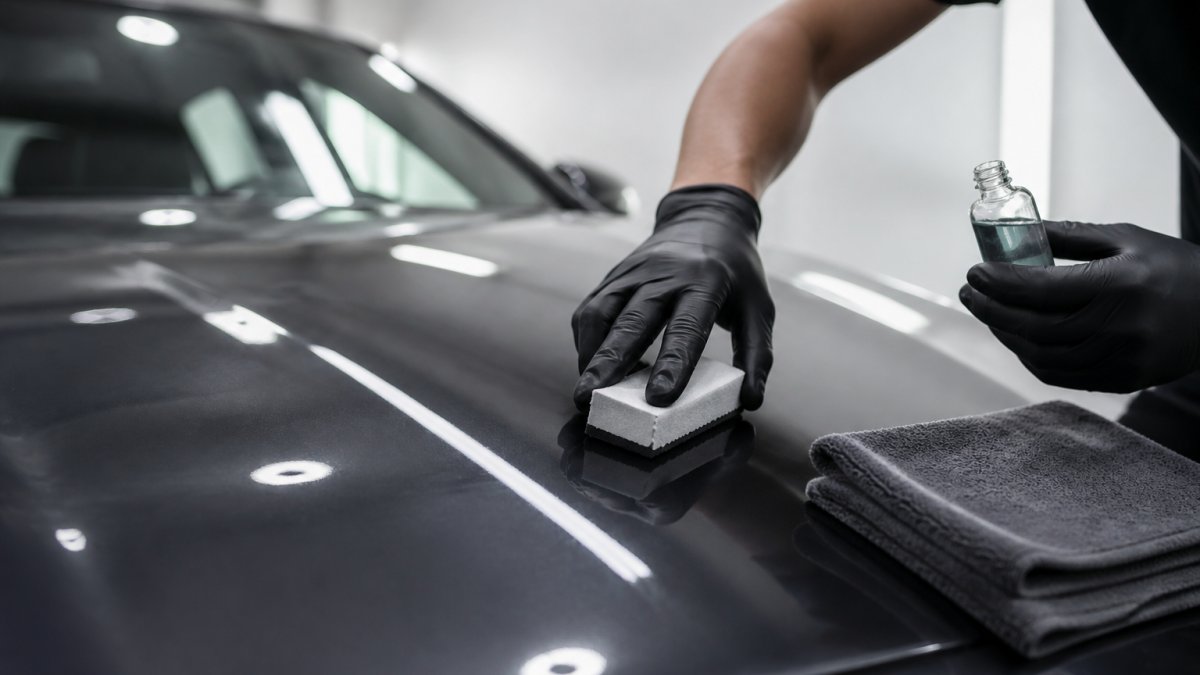
Consumer liquid coatings sold as DIY kits lay down a thicker film than a spray and resist washing chemicals better, but they depend heavily on surface preparation.
Professional Mid-Tier Systems
The jump is not just in the bottle. Professional installations include decontamination, paint correction, a controlled curing environment, and often multiple layers. That preparation is what separates a coating that lasts from one that fails early.
Premium Professional Systems
Premium professional systems usually involve multiple coats, a longer cure, and a documented maintenance schedule.
What the Comparison Actually Tells You
The format matters less than the foundation. Preparation determines how well any coating performs over time.
Here is how the main coating formats compare when use and care are held constant.
| Option | Best for | Key difference |
|---|---|---|
| Ceramic sprays and spray sealants | Leased vehicles or budget-conscious owners | Thinner film build, less chemical resistance, faster wear |
| Consumer-applied liquid coatings (DIY kits) | Owners applying the coating themselves | Thicker film than a spray, but depends heavily on prep |
| Professional mid-tier systems | Drivers wanting a lasting installation | Includes decontamination, paint correction, controlled curing, multiple layers |
| Premium professional systems | Drivers wanting maximum durability | Multiple coats, longer cure, documented maintenance schedule |
Professional Ceramic Coating Lifespan and What Drives It
Professional ceramic coating lifespan depends on several things, including surface preparation, product tier, application conditions, and aftercare.
A common mistake is coating over swirl marks, bonded contamination, or old wax. The coating locks that damage in and adheres to the contaminants instead of the paint, which shortens service life and makes defects permanent. Proper decontamination and paint correction come first, every time.
Curing matters too. Coated panels need a dust-free space and enough time before the vehicle sees rain or a wash. If you are unsure how long to wait, our guide on ceramic coating curing time before driving covers the timeline in detail.
DIY Ceramic Coating Durability: What to Realistically Expect
DIY ceramic coating durability depends heavily on how the coating is applied and maintained. That is not a knock on DIY products. It reflects what happens when a coating is applied outdoors, without paint correction, and maintained with whatever shampoo is in the garage.
If you go the DIY route, set expectations honestly:
- Expect the hood, bumper, and mirrors to degrade first
- Reapply a booster or topper every few months to extend performance
- Use a pH-neutral shampoo from the first wash onward
- Accept that surface prep will be the limiting factor, not the product
Factors That Change How Long a Coating Lasts
Lifespan is not fixed at installation. Several variables affect how a coating wears, and many of them are within the owner's control. Different properties can fade at different rates, so a coating that still beads is not necessarily still protecting.
Surface Preparation and Paint Correction
Surface preparation is the single largest factor in coating longevity. Decontamination removes embedded iron and tar; paint correction removes swirls and scratches; an IPA wipe strips oils so the coating bonds directly to the paint. Skipping any step leaves a weak foundation, and the coating will fail from underneath rather than on top.
Climate, Parking, and Driving Conditions
Environmental exposure accelerates wear, and the effect is uneven across the vehicle. UV exposure breaks down the coating's top layer, so a car parked outside in full sun ages faster than one under cover. Road salt and brine attack the lower panels and wheel arches through a prairie winter, which is why rocker panels and bumpers often degrade before the roof. Coastal exposure adds salt air to the mix. Garage storage slows degradation noticeably, and a garaged weekend car can sit at the top of its rated range while an outdoor daily driver sits at the bottom.
Mileage compounds all of this. High mileage means more impact from road debris, more washes, and more contamination. A vehicle driven 30,000 km a year will cycle through far more wash and decontamination events than one driven 8,000 km, and each cycle is a chance for the coating to wear.
What Declines First, and What That Means
Water beading can weaken before other properties. Beading alone does not prove protection is gone, and losing beading does not always mean the coating has failed. A coating that sheets water instead of beading may still be protecting the clear coat, while a coating that beads tightly but has lost slickness may be contaminated rather than worn.
Contamination and Washing Habits
Contamination can mask a healthy coating and make it look failed. Bonded mineral deposits, tar, and iron particles sit on top of the coating and change how water behaves, which is why a decontamination wash sometimes restores performance that looked lost. Washing habits cut both ways: frequent safe washes remove contaminants before they bond, while automatic brush washes, harsh alkaline detergents, and wiping a dry, dirty panel do more damage to a coating than almost anything else.
Watch out: attributing every loss of beading to coating failure can lead you to recoat a surface that only needed decontamination, wasting money and adding unnecessary polishing.
Ceramic Coating Maintenance: The Wash Routine That Protects It
Ceramic coating maintenance is simple, but it has to be consistent. A coated car still gets dirty; it just cleans up more easily and holds its gloss longer when washed correctly.
Follow this schedule:
- Every 1 to 2 weeks: hand wash with a pH-neutral shampoo and two buckets, or a touchless wash in winter
- Every 3 to 4 months: seasonal maintenance, which Glassparency's coating care guidance recommends to support long-term performance and durability
- As needed: apply a booster or topper to refresh hydrophobicity between services
Avoid automatic brush washes, harsh alkaline detergents, and wiping a dry, dirty panel. Those three habits do more damage to a coating than anything else.
Signs Ceramic Coating Is Wearing Off and How to Test It
Signs ceramic coating is wearing off show up as changes in how water behaves. Water beading can weaken, sheeting can replace beading, and gloss can flatten. On a healthy coating, water forms tight beads and rolls off; on a failing one, it spreads and sits.
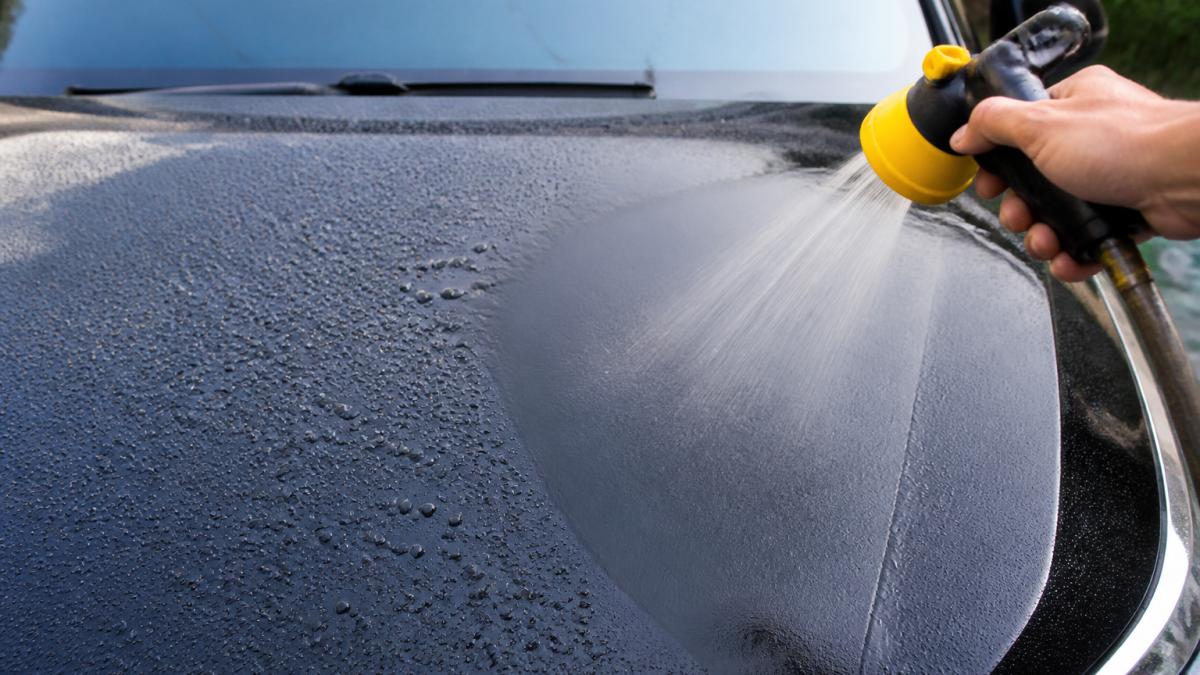
Run a simple diagnostic before assuming failure:
- Spray water on a clean, cool panel and watch the beading pattern
- Compare the hood and roof against a lower panel that sees less exposure
- Check whether dirt rinses off easily or clings to the surface
- Feel for slickness with a clean hand inside a plastic bag
- Look for dull patches or water spots that no longer wipe away
If beading is inconsistent across panels, the coating is degrading unevenly rather than failing outright. A decontamination wash and a booster application often restores performance for several more months.
Warranty Terms Versus Real-World Durability
Warranty terms and real-world durability are two different things. A manufacturer warranty covers product defects under stated conditions; it does not promise the coating will look new for its full rated term. Most warranties require documented maintenance, approved products, and sometimes annual inspections.
A detailing discussion on real-world coating longevity experiences notes that many coatings last only a portion of the duration claimed by manufacturers. Treat that as an individual observation rather than a controlled finding, but the underlying point holds: advertised years are a ceiling, not a guarantee.
Read the warranty terms before you buy. Ask what maintenance is required, what voids coverage, and who performs the inspection. A coating backed by clear terms and a documented service schedule is worth more than a longer number with no support behind it.
Book a Coating Inspection and Get a Free Quote
Coating lifespan depends on several factors, including preparation, product tier, and care. If your coating is beading unevenly, has lost its gloss, or you are unsure whether it needs a booster or a full reapplication, an inspection settles the question quickly.
At MG Customs, we offer professional ceramic coating installation, vinyl wrapping, nano ceramic window tinting, and complete audio and electronics packages. Pricing is listed on our website, and we are happy to answer questions before you commit.
Get started with MG Customs and get a free quote on ceramic coating for your vehicle.
Frequently Asked Questions
How long does ceramic coating last on a car?
It depends on the product tier, the surface preparation, and how the coating is cared for over time. Proper surface preparation, correct curing, and a regular wash routine all affect how long a coating holds up. A coating applied over contaminated or uncorrected paint will fall well short of its rated window.
Does ceramic coating last longer than wax?
Yes, by a wide margin. Wax typically needs reapplying more often than ceramic coating, while professional ceramic coating can hold considerably longer depending on the system and care. The trade-off is prep: ceramic coating bonds to the paint surface and needs decontamination and often paint correction first, so it costs more upfront than a wax job.
What factors affect how long ceramic coating lasts?
The biggest ones are product tier, surface preparation, and how the car is stored and washed. Paint correction and decontamination before application matter more than most owners realize. Outdoor parking, UV exposure, road salt, high mileage, and automatic brush washes all shorten durability. A garage-kept car washed by hand with pH-neutral shampoo will typically outlast the same coating on a vehicle parked outside year-round.
How can I make my ceramic coating last longer?
Hand wash with pH-neutral shampoo and a clean microfiber mitt, and skip automatic brush washes entirely. Remove bird droppings, tree sap, and mineral deposits promptly since they etch the coating. A booster or topper applied periodically can help support long-term performance. Park in a garage where possible, and book a professional inspection if water beading changes noticeably.
How do I know if my ceramic coating has worn off?
Watch for water that stops beading and starts sheeting flat, a drop in gloss and slickness, and contamination that no longer washes off easily. Test a small section: if water spreads instead of forming tight beads, the top layer has degraded. Some loss of hydrophobicity is normal near the end of a coating's life. A professional assessment may help you decide whether you need a decontamination wash, a topper, or full reapplication.
Do ceramic spray coatings last as long as professional coatings?
No. Ceramic sprays are a spray coating designed for easy homeowner application, and they typically deliver months of protection rather than years. Professional-grade coating applied by a trained installer, with proper curing time and surface preparation, generally lasts considerably longer than a spray. Sprays work well as a maintenance booster between professional applications.
Does ceramic coating need to be reapplied?
Yes. Ceramic coating degrades gradually through washing, UV exposure, and contamination, so it is not permanent. Plan on reapplication at the end of the rated window, or sooner if the signs of wear show up early. Between applications, a booster or topper refreshes hydrophobicity and extends the coating's useful life. Seeking a professional assessment can help you judge remaining protection before committing to a full reapplication.
How often should I wash a ceramic-coated car?
Every two to four weeks is a practical baseline for most daily drivers, and more often in winter when road salt builds up. Use the two-bucket method, a pH-neutral shampoo, and a dedicated wash mitt, and dry with a clean microfiber towel. Periodic maintenance, including a booster application, can help support long-term performance and durability.
A coated car still needs the right care to deliver its rated lifespan. If you are weighing a professional installation against a DIY kit, or you want a straight answer on what your paint actually needs, talk to our team. We will inspect the surface, explain the options, and quote the work before anything begins. Get a free quote from MG Customs and protect your vehicle's finish with a coating built to last.